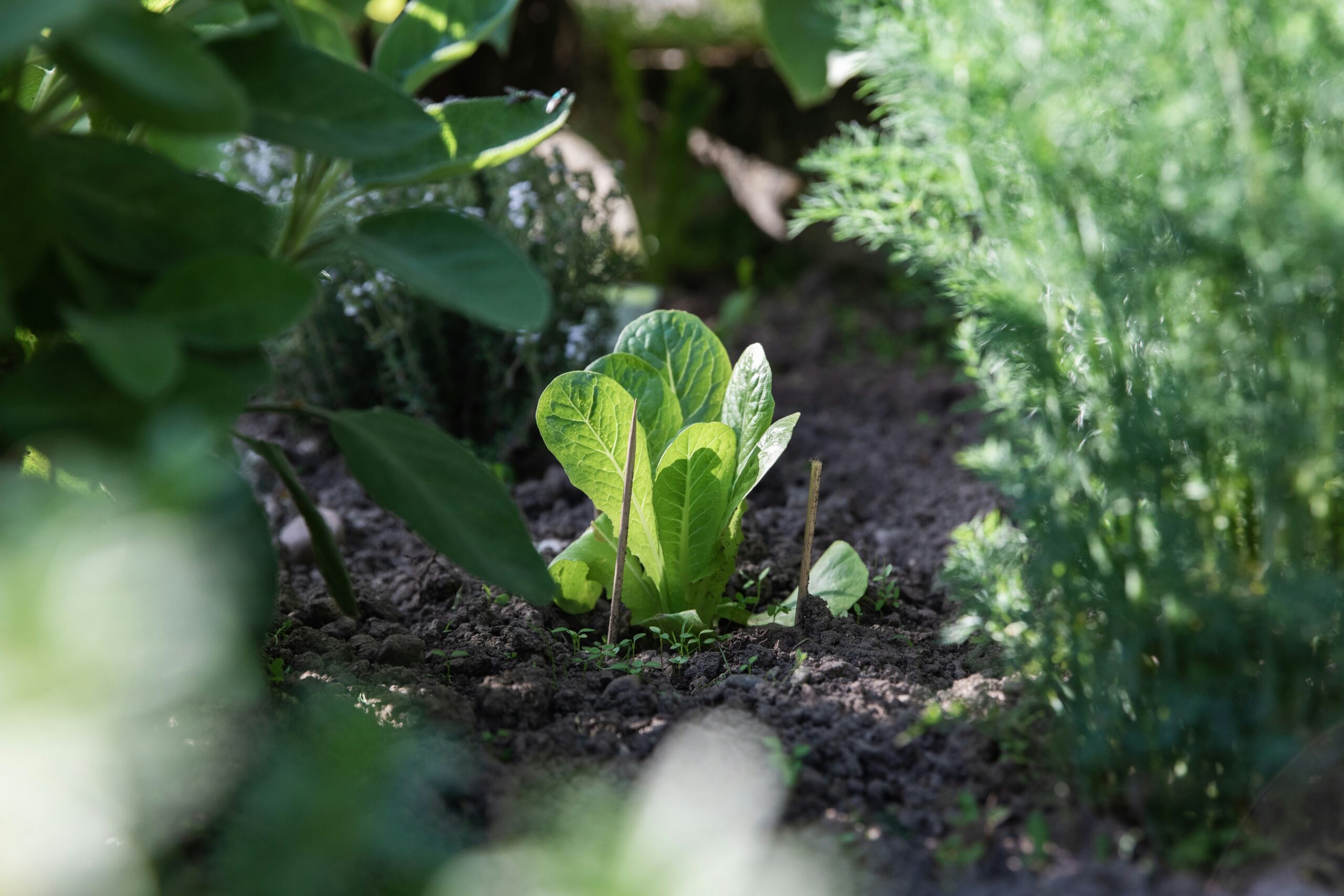
Photo by André Lergier / Unsplash
Earthkeeper Vegetables
Living laboratory for soil regeneration and regional food in Filderstadt.
On the fertile soils of the Filder plateau, a place is emerging where agriculture, research, and responsibility grow together.
The garden beds, paths, irrigation, and mobile chicken coop are still taking shape – yet something deeper is already growing:
a new attitude toward the earth.
This philosophy comes to life in a
Market Garden –
a small-scale, soil-friendly form of vegetable cultivation in which chickens are integrated to close nutrient cycles.
Instead of heavy machinery, the focus is on handwork, compost, crop diversity, and permanent soil cover.
Vegetable production, composting, and chicken keeping are interconnected. Organic matter is returned to the soil, feeding microorganisms,
building humus, and creating the foundation for lasting fertility.
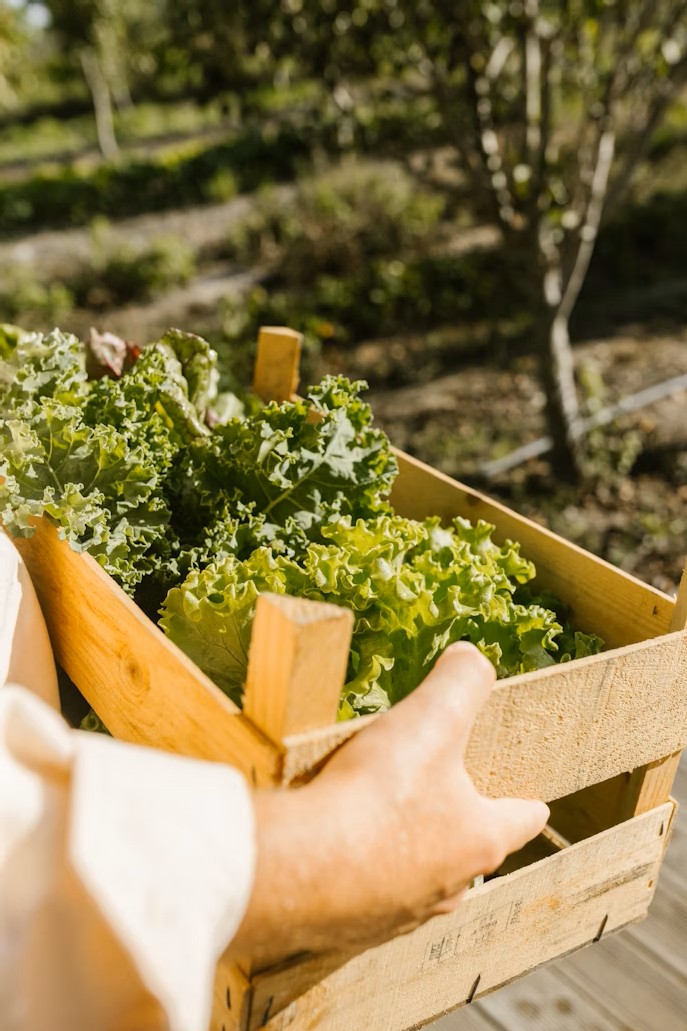
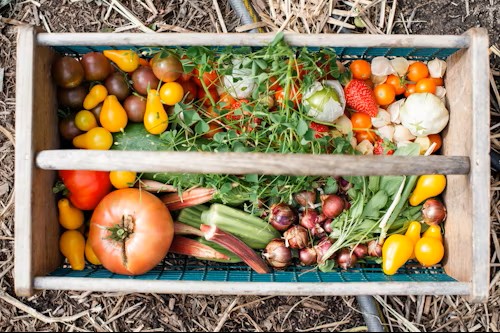
Vegetable cultivation
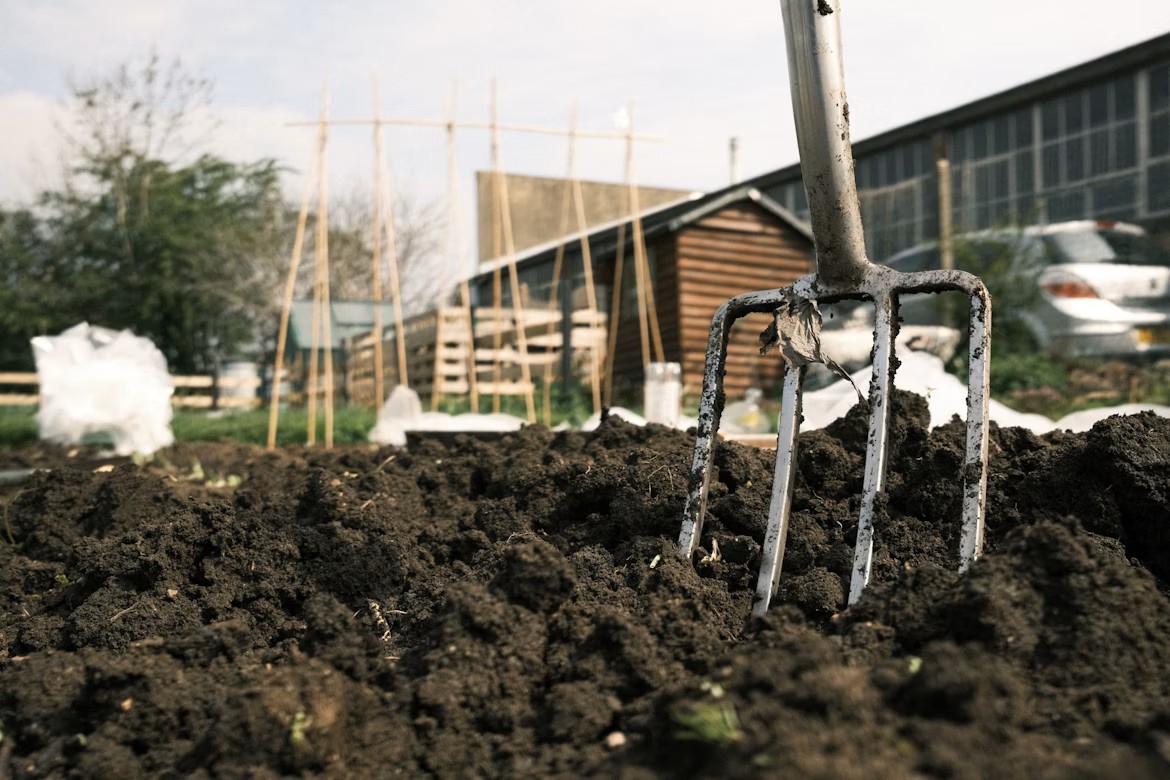
With every harvest, nutrients leave the soil – yet plant residues remain to nourish the cycle.
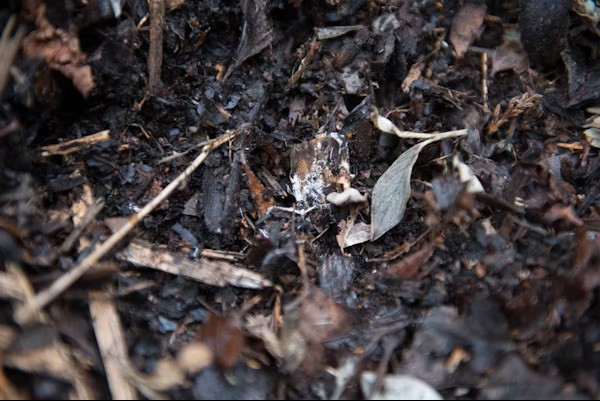
Composting
Crop residues and manure are transformed by microbes into humus. Compost replenishes nutrients and energizes the soil life.
Mobile Chicken Coop
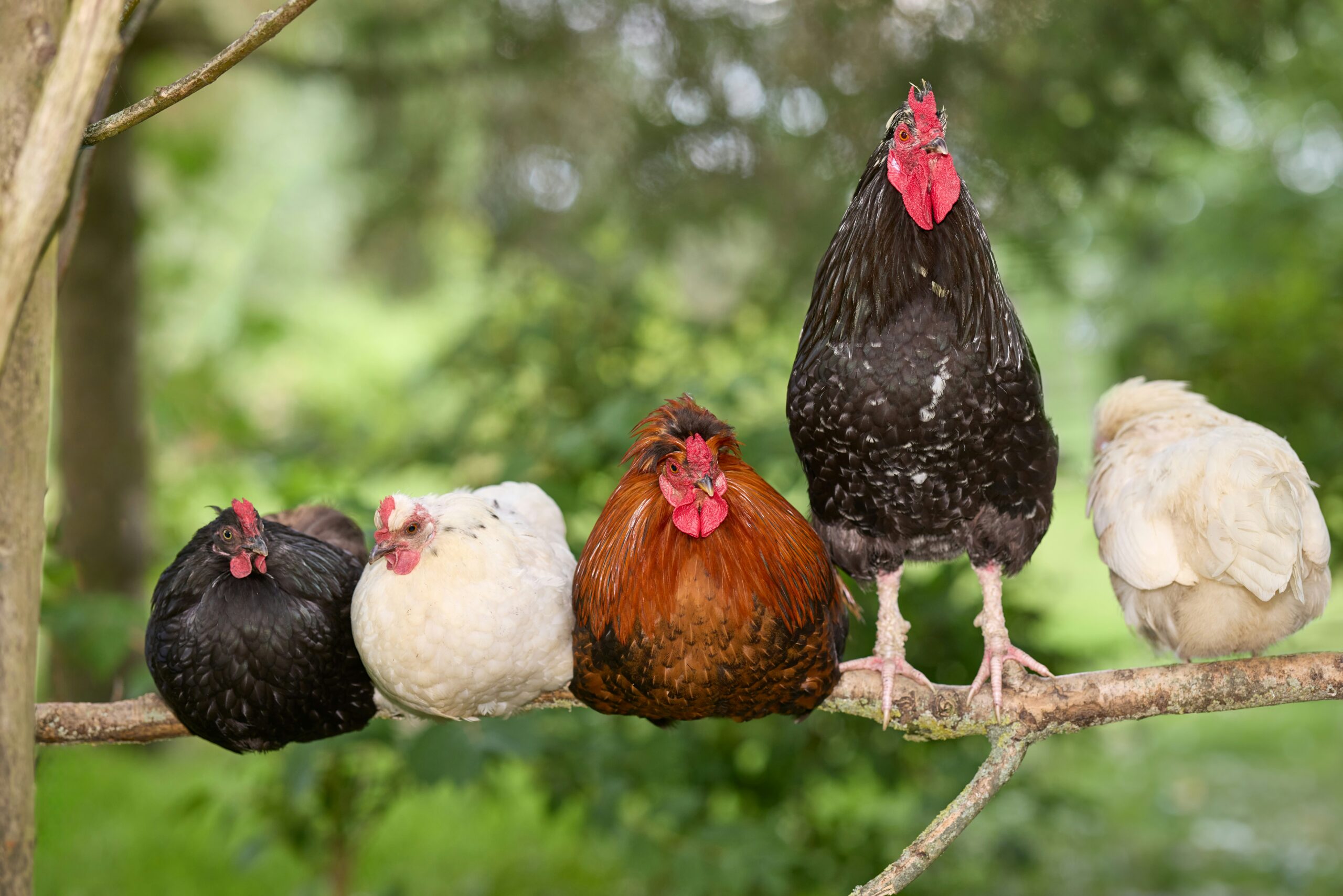
Our chickens recycle harvest residues and feed – their manure enriches the compost and brings nutrients back to the fields.
Soil
Humus and organic matter store nutrients, water, and energy – the foundation for new growth.
Soil Life
Fungi, bacteria, microbes, and earthworms connect everything – keeping the cycle of life in motion.
Why here?
The Filder plateau symbolizes agricultural intensification.
Loess clay – actually a treasure – is often compacted, exposed, and eroded.
These images, mostly taken during family bike rides, illustrate it clearly:
even in winter, what remains is often a lunar landscape –
bare, degraded, lifeless.
Earthkeeper Vegetables aims to show another way: with permanent soil cover, small-scale structures, and humus-building practices.
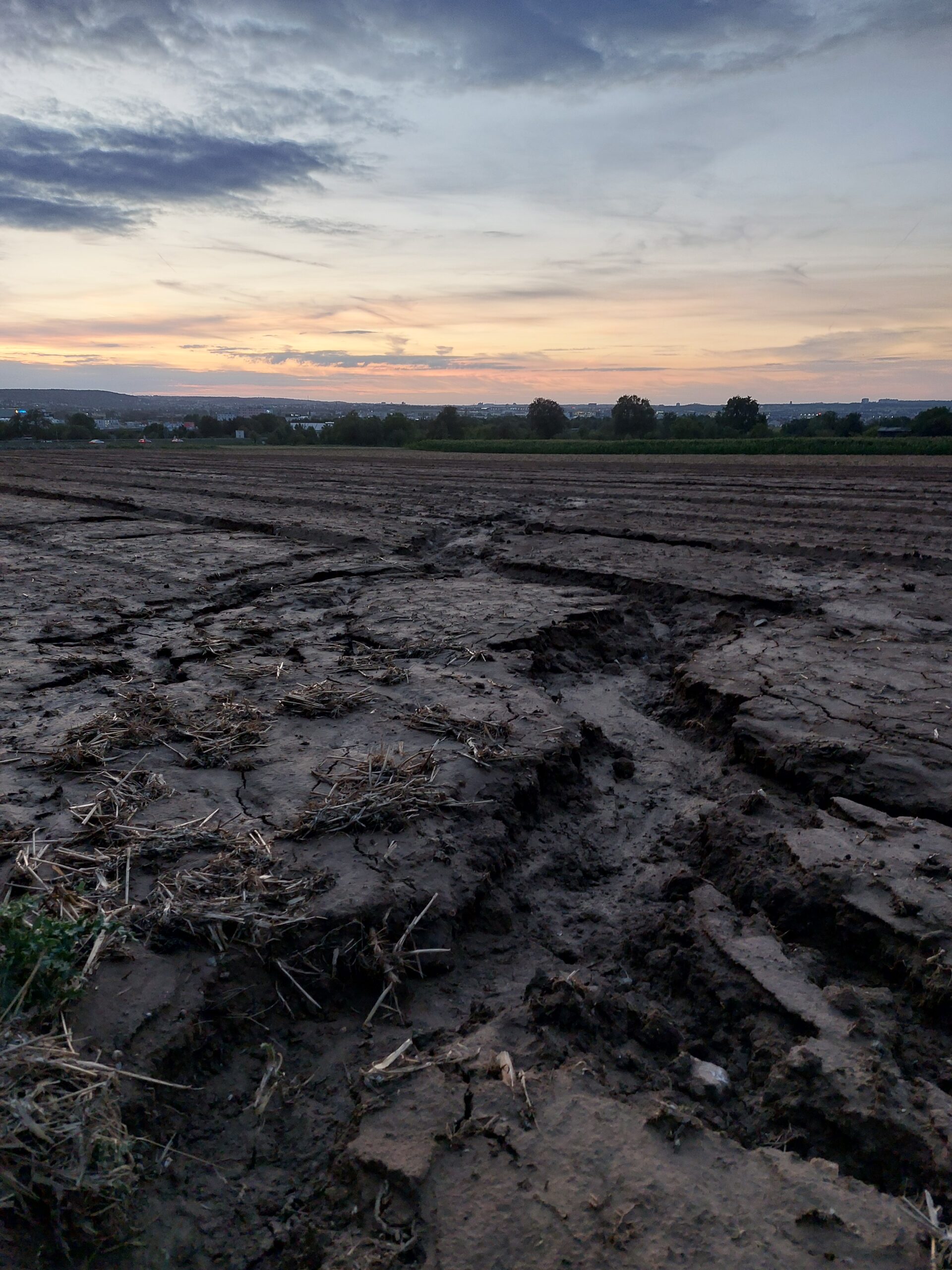
Photo: private / Earthkeeper Vegetables
Where we grow
Our two core plots lie right in the heart of the Filder plateau – an area marked by decades of intensive use.
Here, we’re creating a countermodel: humus-building, small-scale agriculture that protects soils and restores life.
Map: Google My Maps / Earthkeeper Vegetables
Small but mighty
Our market garden is a professional yet garden-sized operation.
On just 0.2 ha we grow large quantities of vegetables – efficiently, regionally, and above all, soil-consciously.
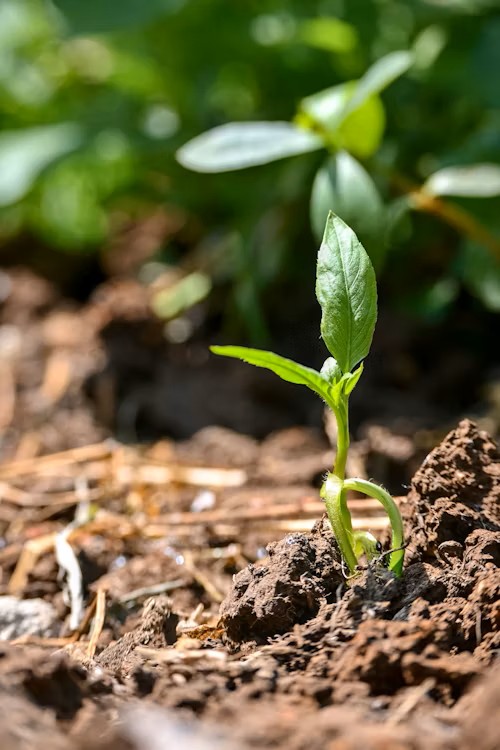
Healthy soil
Everything revolves around building and maintaining living soils. Compost, mulch, and permanent cover create fertile habitats.
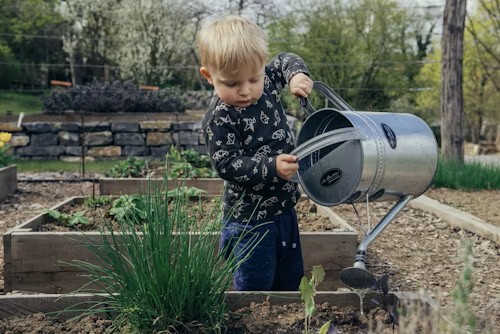
True craftsmanship
Real gardening by hand – using modern small tools, experience, and intuition for what grows.
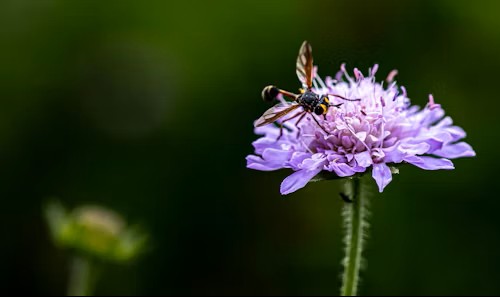
Rooted in ecology
We work in harmony with nature, without synthetic fertilizers or pesticides.
It saves resources and fosters biodiversity.
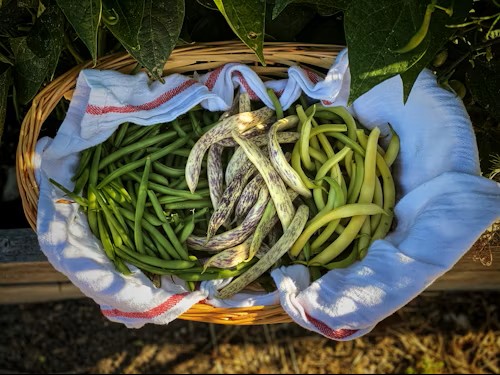
Direct marketing
Our produce goes straight to local people – fresh, transparent, and fair.
It rebuilds personal relationships between growers and eaters.


The Living Lab
Here, vegetables are not just grown – they are studied, observed, and learned from.
Together with supporters from science and practice, we create a place that shows:
Change begins on the smallest scale.
Earthkeeper Vegetables is not a finished farm, but an open experiment –
driven by the conviction that honest agriculture has a future.

Get involved, learn, and join in
Would you like to follow the project or take part?
Whether as an interested person, supporter, or co-thinker –
Earthkeeper Vegetables grows with people who take responsibility.